

Hidden Gutter Hangers for New York Winters: How Pitch & Spacing Prevent Ice Dam Pull-Away
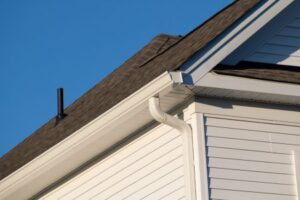
New York winters bring freeze-thaw cycles, wet snow, and nor’easter winds that punish home exteriors. If your goal is dependable drainage and a clean roofline, hidden gutter hangers New York homeowners can trust make a real difference. This post explains why heavy-duty screw-in hangers outperform old spike-and-ferrule fasteners, how closer spacing resists ice dam weight, and how a steady gutter pitch protects your fascia and roof edge through the cold season.
Why Hidden Gutter Hangers Matter in New York Snow
Hidden hangers lock onto the gutter’s interior lip and secure to solid wood with corrosion-resistant screws. That clamp-and-screw connection spreads load across more metal and wood, so the system handles heavy, wet snow common from Bayside to Park Slope without bending the gutter face. With no long nails working loose, the gutter stays aligned with the fascia even when icicles form along the eaves.
By contrast, spike-and-ferrule fasteners concentrate force at a few thin points along the front of the gutter. Repeated winter movement can wallow out those holes, let water creep in, and start stains or wood damage at the roof edge. Hidden hangers keep fasteners out of sight, protect curb appeal, and help the front bead of the gutter hold its shape during storms.
To see how a pro-grade system is built, explore our page on hidden hangers built for snow and ice and how they support seamless gutters through New York’s longest cold snaps.
Heavy-Duty Design Versus Spike-and-Ferrule
Legacy spikes act like long nails. Under a heavy ice load, nails tend to pull outward along the same path they entered. A heavy-duty screw-in hidden hanger resists that pull thanks to deep threads that bite into sound wood. The screw seats tight and is less likely to loosen when wind, ice, and meltwater shift weight from day to night.
Another advantage is metal compatibility. Quality hangers pair with aluminum or copper gutters using finishes designed to reduce corrosion. This helps the hanger maintain grip year after year, which is important in coastal neighborhoods where salt-laden air speeds up rust.
Secure Fascia Attachment Prevents Winter Sagging
When the hanger’s screw seats in solid fascia or a rafter tail, the gutter resists twist and droop at the corners. That secure connection keeps the trough aligned with the drip edge, so meltwater flows to the outlet instead of freezing at a low spot. Secure fascia attachment also helps stop early signs of roof edge separation that often start where water lingers and refreezes.
Local tip: In New York, wet snow can arrive as early as November and linger into April. A pre-winter gutter tune-up with reinforcement where runs are longest can prevent surprise pull-away during the first thaw after a big storm.
The Right Spacing for Ice Dams and Snow Load
Standard spacing for hangers in milder regions is often around two feet between supports. New York’s freeze-thaw cycles and heavy, wet snow call for more support. Placing heavy-duty, screw-in hidden hangers every 12 to 18 inches tightens the structure so weight is shared across more fasteners, which helps keep the bead straight and the outlets flowing.
- Use closer support near downspouts, corners, and long straight runs where load concentrates.
- Runs shaded by neighboring buildings in places like Forest Hills or Brooklyn Heights may need the tighter end of the range because ice lingers longer.
Closer 12–18 inch spacing outperforms 24 inch spacing when ice dams push against the gutter lip and when wet snow stacks up overnight. The goal is to prevent a single heavy spot from bowing the trough or pulling fasteners out of the fascia. Tighter spacing is also helpful on steep roofs that shed snow quickly toward the eave, where it piles onto the gutter before it can melt.
How Correct Pitch Reduces Ice Dam Pressure
The best hanger spacing still needs the right pitch. A consistent, gentle slope along the eave moves meltwater to outlets before refreezing can build up pressure under the shingle edge. Pitch consistency matters more than a specific number. Small flat spots trap water that will freeze at night, get heavier with sleet, and then push outward on the gutter bead. In areas like Riverdale or the Upper East Side where tall trees shade the eaves, staying on top of pitch alignment after leaf season is especially important because shade slows melting.
Hidden hangers help preserve that slope because they cradle the back of the gutter and keep the front bead from rolling forward. When pitch is preserved, downspouts empty faster during brief thaws between storms, which reduces the time water has to sit and refreeze at the roof edge.
Materials and Fasteners Built for Freeze-Thaw
Winter performance starts with materials that keep strength when temperatures swing. Look for aluminum or copper gutters supported by hangers with a sturdy profile and screws designed for exterior use. Coated or stainless screws resist corrosion and hold bite, which is important near salt-treated sidewalks and roadways from Staten Island to Bayside. The right fastener length helps reach solid wood without over-penetrating thin trims.
Do not rely on aging gutter nails that have already loosened once. Reusing loosened nails usually leads to the same movement the next winter, and that movement is what opens gaps, invites stains, and stresses the roof edge.
Local Signs Your Gutters Need Hidden Hangers
New York homes show similar patterns when winter stress builds. If you notice any of the following, it may be time to upgrade to screw-in hidden hangers and reset pitch:
- Sagging at the center of long runs or near downspouts after a storm
- Spikes backing out or shiny nail heads showing along the gutter face
- Water streaks on fascia boards or peeling paint under the eaves
- Ice sheets forming at specific low spots while other sections look clear
- Gutter corners opening up or sealant cracking soon after hard freezes
You do not have to wait for midwinter to fix these issues. An evaluation before the first deep freeze lets a pro tighten spacing, resecure the system to sound wood, and confirm that outlets and leaders can handle early thaws.
For a broader look at solutions across your exterior, you can start at our home base with this overview of hidden gutter hangers New York and how they protect homes through coastal wind and city snow events.
Why Closer Spacing Protects Your Fascia and Roof Edge
When hangers sit two feet apart, the gutter must bridge weight between wide spans. If a heavy ice lip forms at the bead, the gutter wants to roll forward, which pulls on fasteners and can open a gap where water creeps behind the trough. By bringing supports to 12–18 inches, each section carries less weight, the bead stays upright, and the back of the gutter continues to hug the drip edge. That alignment keeps meltwater in the trough and away from the roof deck and soffit.
On longer townhouse runs from Carroll Gardens to Washington Heights, added supports at the first and last three feet help control twist near corners. The same goes for dormer returns and overhangs that collect drifting snow. Strategic reinforcement in these zones helps stop the domino effect where one low spot creates another down the line.
Professional Assessment From a New York Crew
Every block in New York has its own wind patterns and shade lines. A professional installer reads that microclimate during a site visit, checks the fascia for solid bite, and confirms that your gutter size and profile match your roof area. At Mountain Top Seamless Gutters, we recommend heavy-duty, screw-in hidden hangers and a 12–18 inch layout for winter strength, then dial spacing tighter where your home’s design or local storm track says it will pay off.
Our team also evaluates corners, outlets, and leader paths to reduce back-ups that encourage ice to grow. When needed, we add supports beside outlets and at seams to protect sealant joints from flexing. If rot is discovered, we coordinate fascia repairs before setting new hangers so the screws anchor to healthy wood. That step protects the pitch you are paying for.
Want details on the system we install across the city and nearby suburbs? Review our service page on heavy-duty hidden gutter hangers and how they stand up to wet snow, wind gusts, and the daily thaw-freeze rhythm that stresses older fasteners.
What New York Homeowners Gain With This Upgrade
When your gutters are reinforced with heavy-duty hangers, closer spacing, and a tuned pitch, winter becomes more predictable. Water moves where it should. The roof edge stays protected. Fascia boards keep their finish longer. Downspouts and leaders have fewer freeze-ups because meltwater does not sit in low spots. For most homes, these are the wins that prevent bigger headaches during the first warm spell after a storm.
Hidden hangers also improve look and feel. With the fasteners out of sight, the front bead stays smooth, which pairs well with historic trims on brownstones and prewar colonials. It is a quiet upgrade that delivers stability whenever the wind whips across the Hudson or a late-season storm drops heavy snow along the East River.
Ready for a Stronger Winter Setup?
Winter starts early in New York, and preparation pays off. If you are seeing sagging, loose spikes, or ice building at the same spot each storm, it is time to reinforce your gutters. Contact Mountain Top Seamless Gutters at 518-695-3270 to schedule an inspection and a plan tailored to your block and building style. You can also learn about options and book service through our page on hidden hanger installation, where we outline how closer spacing and secure fascia attachment prevent pull-away all winter long.